
How Researchers Can Move from Research to Practice
As academics, we are trained to follow structured methods, rely on institutional support, and prioritize rigor over speed.
Moving from research to practical application asks you to step outside familiar habits, embrace uncertainty, and focus on creating tangible outcomes rather than just insights.
Understanding this tension is the first step toward successfully adopting an academic entrepreneurship mindset.
Why the PhD Mindset Can Hold You Back
As researchers, we are trained to pursue rigorous methods, controlled processes, and evidence-driven outcomes. This approach works exceptionally well for generating knowledge and completing a PhD.
However, it often fails when we try to apply these insights in practice.
One of my mentees recently began building practical tools based on her dissertation. Her goal — to make research useful to a practitioner audience — is commendable.
Yet, she hesitated at key implementation steps, treating the project as an extension of her PhD rather than as a standalone endeavor.
This is a common challenge: moving from research to practice requires leaving some of the academic habits behind.
The Mindset Shift: From Researcher to Implementer
In academic entrepreneurship, the mindset matters as much as the methods.
The skills that make you successful in research, literature reviews, hypothesis testing, careful documentation, are not the same skills that sustain a practical tool or project.
You need to think differently about:
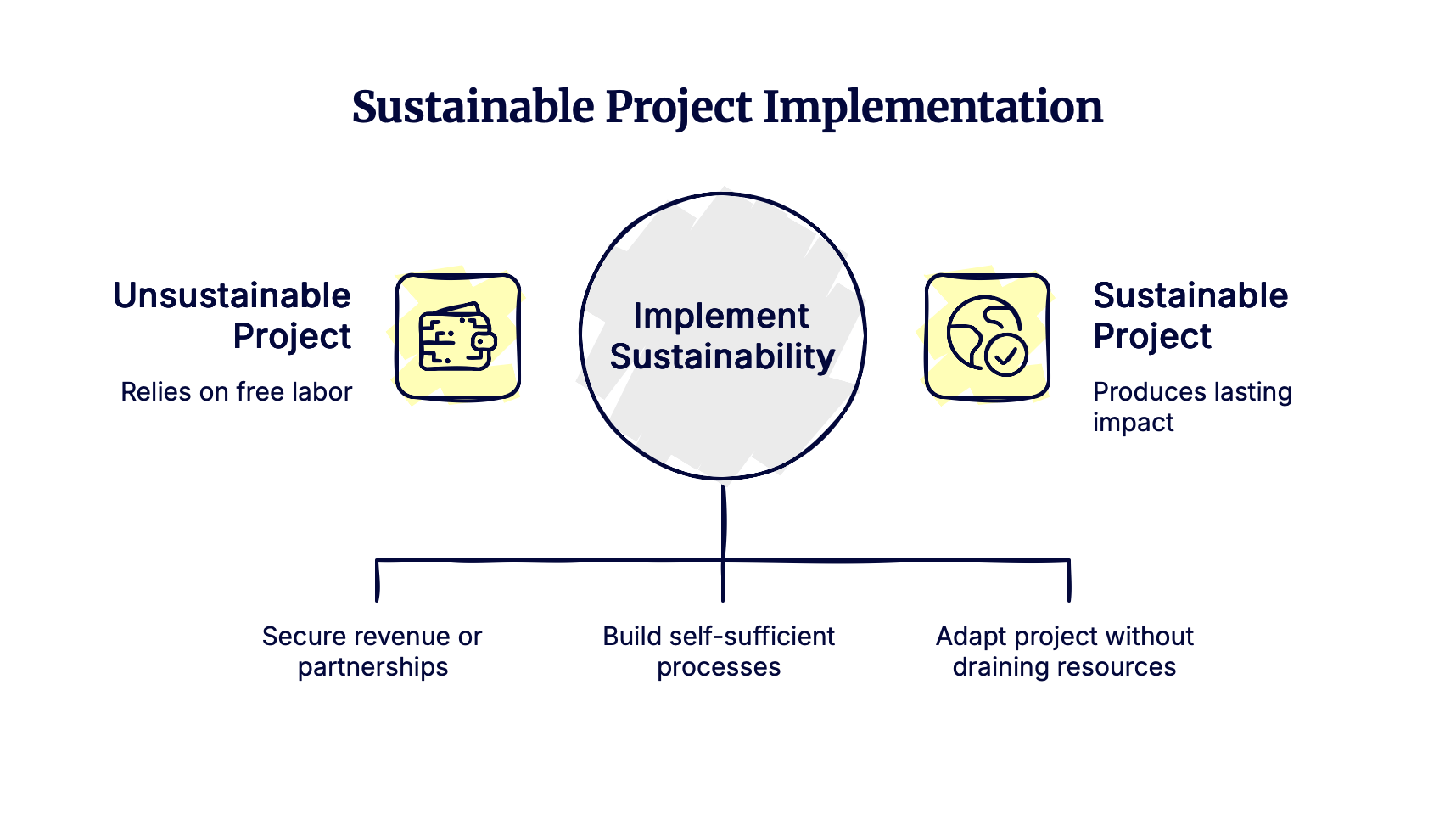
Sustainability: Designing Projects That Stand Alone
One overlooked aspect is financial and operational sustainability. Unlike PhD projects, real-world tools cannot rely on free labor or indefinite grants. This means:
Sustainable projects require pragmatic decisions, not just academic reasoning. This does not compromise the intellectual value of your work; it ensures that your efforts produce lasting impact.
Tools and Resources for the Transition
Shifting to implementation does not mean abandoning your research identity.
Instead, it involves integrating knowledge from entrepreneurial literature and applied research methodologies:
Embracing the Transition Without Losing Your Academic Identity
Letting go of purely academic methods does not mean abandoning rigor, integrity, or curiosity. Instead, it is a conscious decision to extend your PhD insights into the world.
By consciously adopting academic entrepreneurship principles and considering sustainability, you can:
The journey from research to practice is challenging, but it is also deeply rewarding. It asks you to value utility alongside insight, execution alongside exploration, and sustainability alongside innovation.
Conclusion
For early-career researchers, moving from research to practice is less about methodology and more about mindset.
Academic entrepreneurship provides a framework to translate your PhD work into practical, sustainable projectswithout losing the core values of scholarship.
The key question is not “Can I apply my PhD methods?” but “Can my work stand on its own in the world?”
Answering that question thoughtfully is what turns research into meaningful, lasting impact.