
Many students and early-career researchers struggle with managing references and formatting in-text citations. Choosing the correct style—APA citation, MLA citation, or other formats—and maintaining a consistent citation format can feel overwhelming.
A reliable citation tool simplifies these tasks, automating formatting, organizing sources, and reducing errors. Using a citation tool frees you to focus on research and writing rather than tedious technical details.
Fortunately, free citation tools and reference management software simplify this process, allowing you to focus on research rather than formatting.
Why Citation Tools Matter
Even experienced researchers often underestimate how time-consuming proper citation format can be. Common challenges include:
A citation tool solves these problems by handling the technical side for you.
A Personal Story: Learning the Importance
Early in my PhD, I gave a workshop on reference management software. I assumed attendees were already using a citation tool—but none were. This included postdocs and professors.
The experience highlighted that even advanced students often struggle with technical citation tasks, not the conceptual reasons for citing.
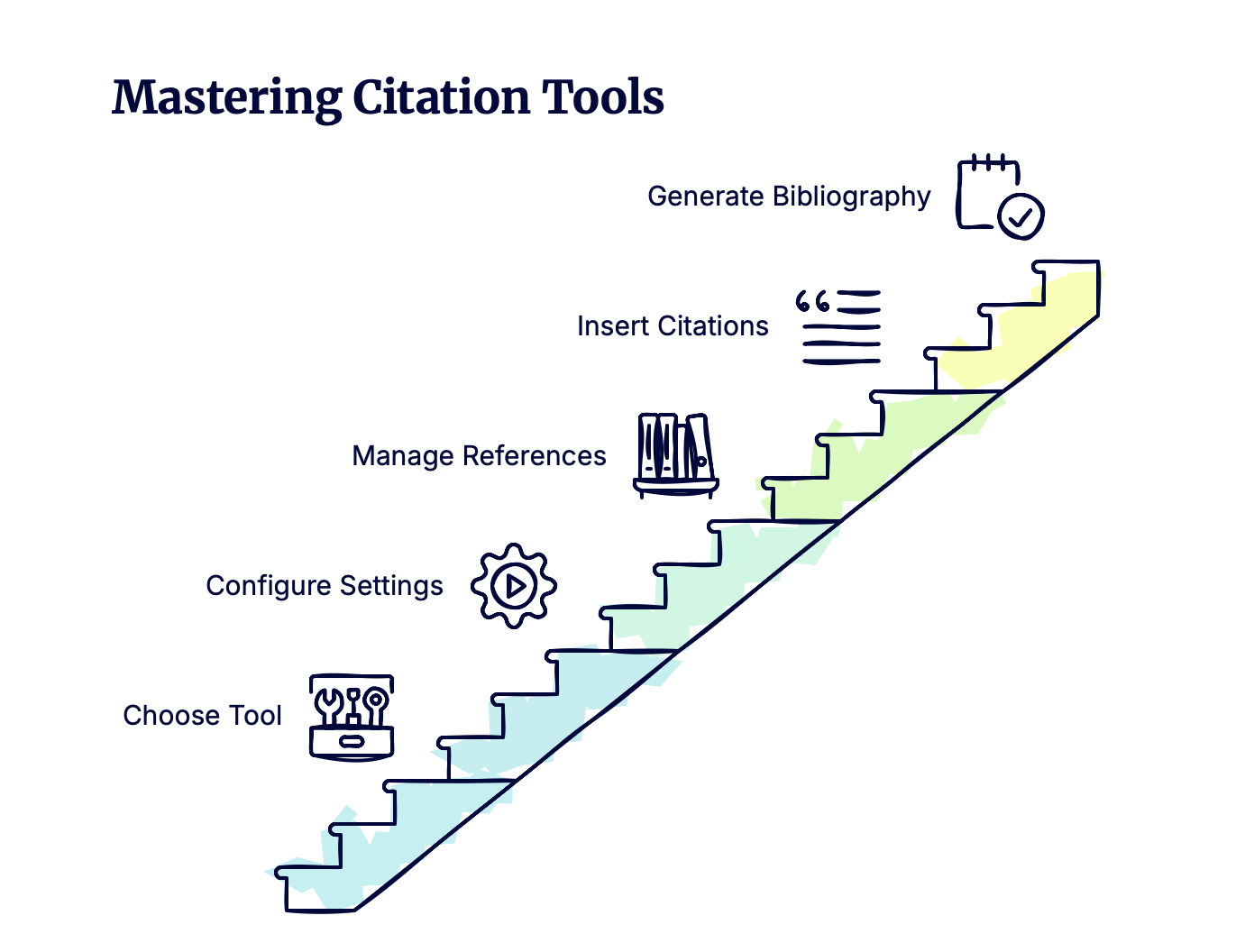
How a Citation Tool Simplifies Your Workflow
Reference management software like Zotero, Mendeley, or EndNote can:Reference management software like Zotero, Mendeley, or EndNote can:
Once properly set up, a citation tool saves time, reduces errors, and ensures your references are consistent.
Choosing the Right Citation Tool
While several options exist, Zotero is an excellent free citation tool:
Investing a small amount of time upfront ensures accurate citation format, correct in-text citations, and efficient writing.
Conclusion
Using a citation tool allows you to:
Even PhD students, Master’s, and Bachelor students benefit from adopting a citation tool, making referencing effortless and reliable.
Good luck!